Swimming Safety and Technique at Máchovo jezero
Essential safety practices, stroke improvement techniques, and what you need to know about swimming at Máchovo jezero.
Read Guide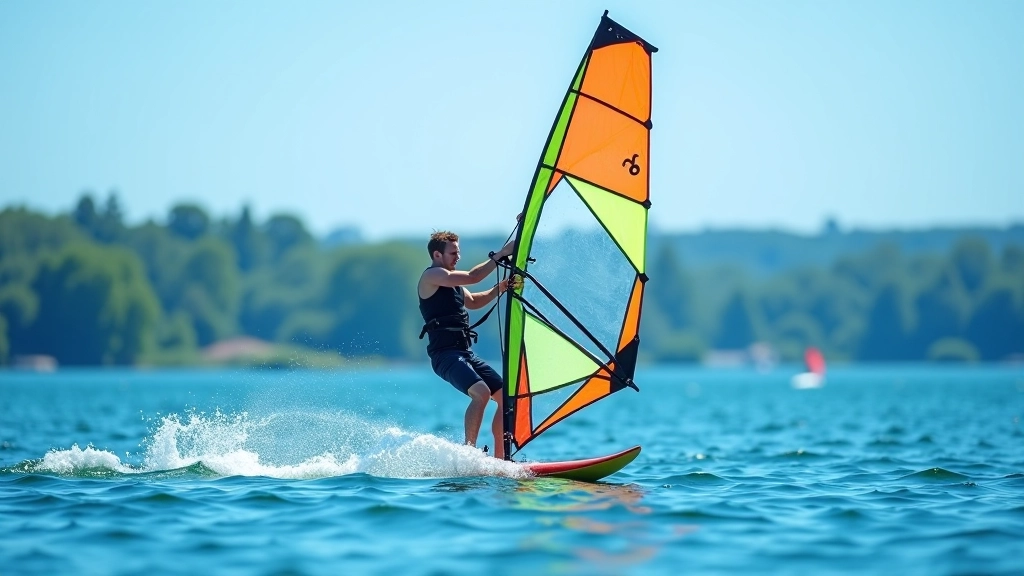
Learn the fundamentals of windsurfing, master board control, and discover how to read the wind. Your guide to beginning your windsurfing journey on Lipno Lake.
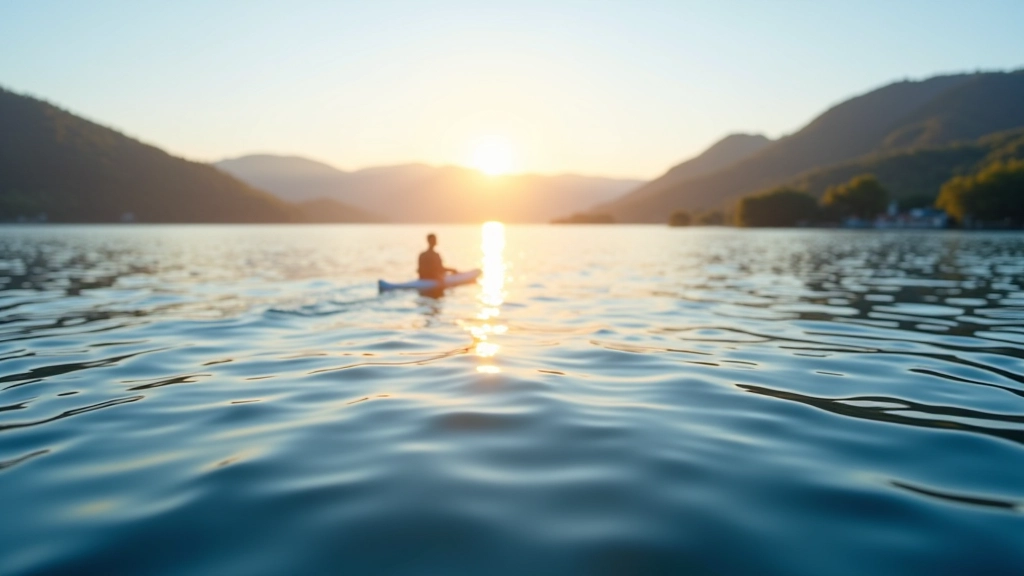
Lipno isn’t just another lake. It’s one of the best spots in the Czech Republic for getting into windsurfing, and here’s why. The water’s warm enough in summer, the wind conditions are consistent but not overwhelming, and you’ve got plenty of space to practice without feeling crowded. Plus, the local community is genuinely helpful—people remember what it’s like to be starting out.
We’re talking about a lake that’s perfect for learning. You won’t deal with massive ocean swells or unpredictable currents. The conditions here are forgiving enough that you can focus on technique instead of fighting the water.
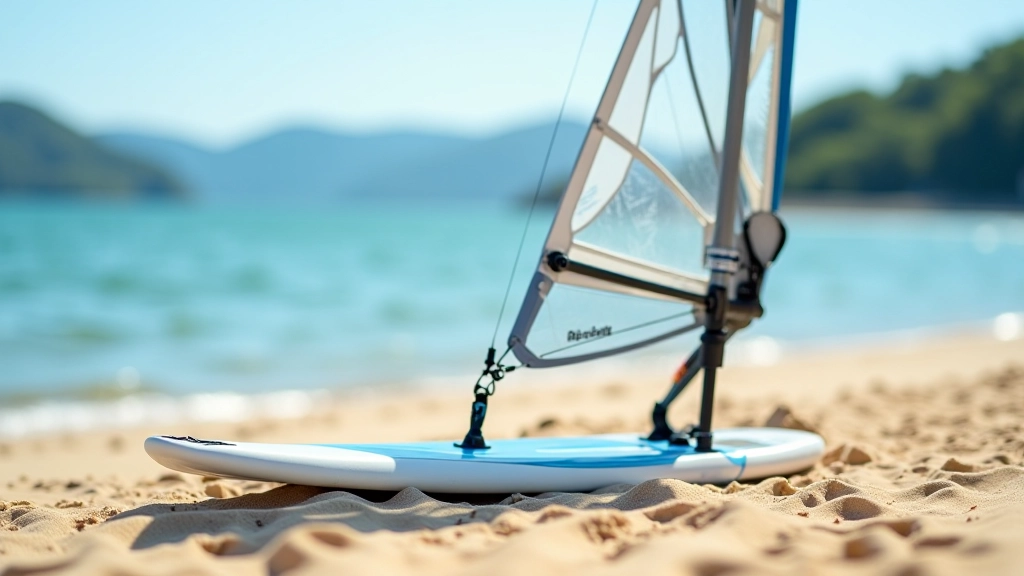
Here’s the deal: you don’t need to drop a fortune on gear. A beginner board is wider, thicker, and more forgiving than what experienced sailors use. You’re looking at something around 100-120 liters of volume. That buoyancy is your friend—it keeps you stable and builds your confidence faster.
Your sail should be modest in size. Most beginners start with something between 3.5 and 4.5 square meters. You want enough power to move, but not so much that you’re fighting to control it. The sail size matters more than people think. A sail that’s too big will wear you out. A sail that’s too small won’t teach you proper technique because you’ll be struggling just to stay upright.
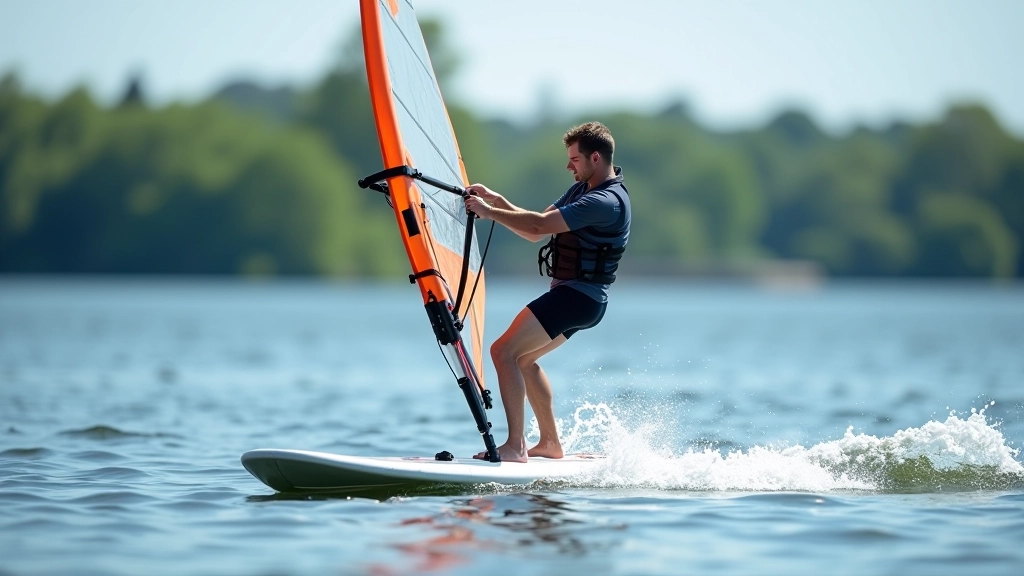
Your stance is everything. Stand with your feet about hip-width apart, perpendicular to the board’s length. Your weight should be centered—not too far forward, not too far back. Most beginners lean too far back, thinking it’ll help them balance. It won’t. It’ll just make you unstable and tired.
Grip matters too. You’re not strangling the boom—that’s a beginner mistake that’ll exhaust your forearms in minutes. Hold it firmly but not tensely. Your elbows should stay slightly bent, not locked straight. Think of it like holding a steering wheel in a car. Relaxed but controlled.
It typically takes 4-6 weeks of regular practice to feel genuinely comfortable on the water. Don’t expect it to click immediately. Every session builds muscle memory. By week three or four, you’ll notice yourself thinking less about balance and more about actually sailing.
You can’t see wind, but you can read it. Look at the water surface. Flat patches mean light wind. Ripples mean moderate conditions. Whitecaps mean it’s getting strong. Start learning on days with 10-15 knot winds. That’s perfect for beginners—enough to move, not enough to overwhelm you.
Lipno has predictable wind patterns, which is another reason it’s ideal for learning. Morning winds tend to be lighter. By afternoon, you’ll typically see stronger, more consistent conditions. This isn’t random—it’s the thermal effect from the surrounding hills warming up as the day progresses.
Watch experienced sailors. They’re not just goofing around—they’re reading conditions that aren’t obvious yet. After a few sessions, you’ll start seeing what they see. You’ll notice when wind is about to shift. You’ll feel the difference between gusty wind and steady wind. That intuition develops, but it takes time.

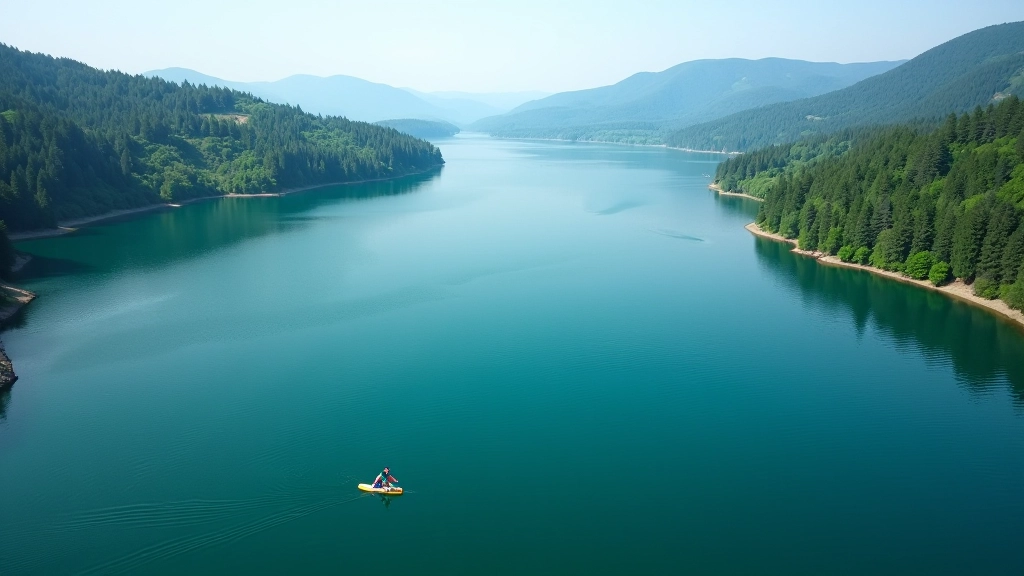
Lipno isn’t huge, but it’s got distinct areas. Some spots are better for learning than others. The southern shore has shallower water and gentler conditions—that’s where you want to start. You can stand up if you fall, and you won’t drift too far. The water depth stays manageable for at least 100 meters out.
The eastern section gets windier but it’s less forgiving. Save that for when you’re confident. There’s a reason local instructors bring beginners to the south shore. It’s not complicated. It’s practical. You get plenty of space, manageable conditions, and shallow water if things go wrong.
Wear a life jacket. Yes, you’re going to think you don’t need it. Everyone thinks that. Wear it anyway. You won’t be in the water long if something goes wrong, but a life jacket gives you peace of mind and it’s the smart move.
Know your limits. Don’t go out in conditions beyond what you’ve practiced in. Wind forecast says 18 knots? If you’ve only sailed in 12 knots, stay on shore. That’s not being cautious—that’s being smart. Progressive improvement beats reckless learning every time.
Tell someone where you’re going. It sounds obvious, but people skip this. Let someone know you’ll be on Lipno for two hours. It’s basic. It matters if something unexpected happens.
Check your equipment before you launch. Is the boom cracked? Is the sail torn? Are the battens secure? A five-minute gear check prevents problems out on the water. This isn’t paranoia. It’s maintenance.
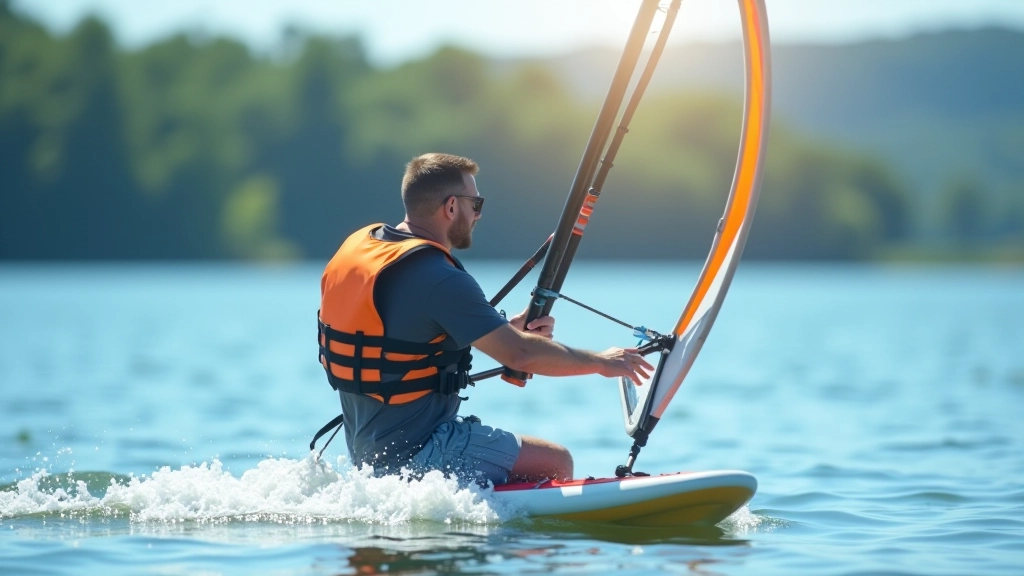
You’ll spend time just staying upright. The water will feel big. Don’t worry—this is normal. Everyone feels it.
You’ll start feeling less wobbly. Transitions become smoother. You’ll sail longer stretches without falling.
You’re making turns. You’re reading conditions better. The sport stops feeling like fighting and starts feeling like sailing.
You’re actively enjoying yourself. You know what to expect. You’re thinking about what’s next—maybe trying different conditions or working on specific techniques.

This article provides educational information about windsurfing fundamentals and Lipno Lake conditions. It’s not a substitute for professional instruction. Before attempting windsurfing, we recommend taking lessons from certified instructors who can provide personalized guidance based on your abilities and local conditions. Water sports involve inherent risks—always wear appropriate safety equipment, check weather forecasts, and follow local water safety guidelines. Conditions on Lipno Lake can change rapidly, and your experience may differ from what’s described here.