
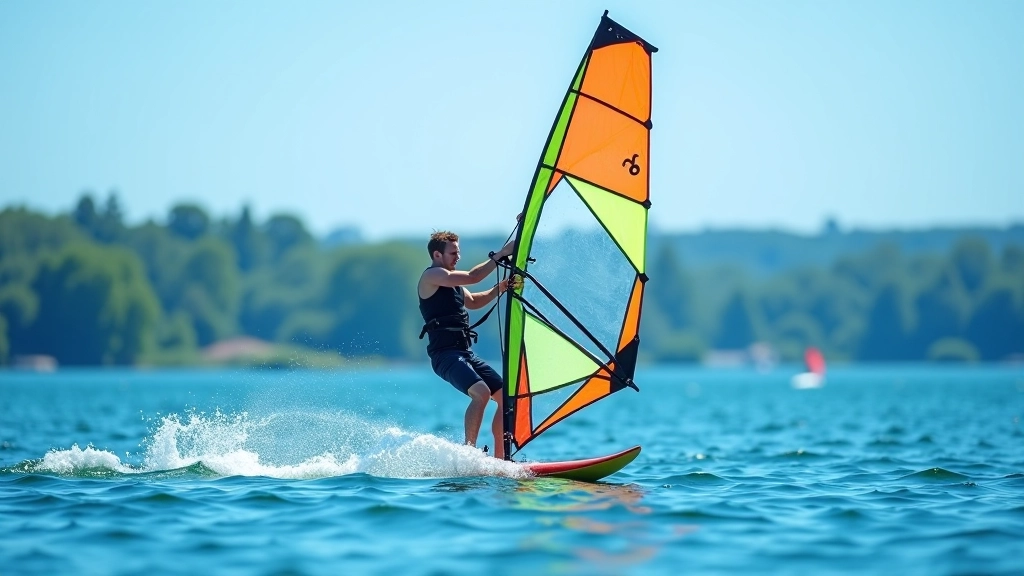
Getting Started with Windsurfing at Lipno
Learn the basics of windsurfing, board control, and wind reading. Covers equipment setup and beginner techniques.
Read Guide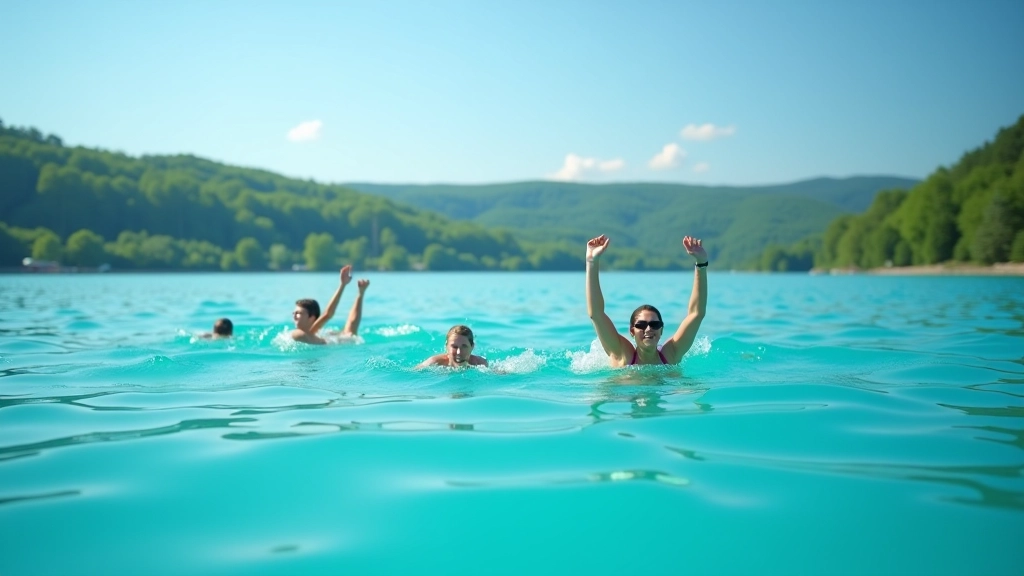
Master essential safety practices and stroke techniques at the Czech Republic’s largest natural lake
Máchovo jezero isn’t just any lake. At 3,344 hectares, it’s the largest natural freshwater lake in the Czech Republic, and it’s become a destination for swimmers who want to improve their skills in real water conditions. The lake offers something you won’t find in a pool — currents, variable depths, and open water that challenges you in the best way.
But swimming in a lake is different from swimming in a pool. The water’s colder. You can’t touch the bottom. There’s wind, waves, and sometimes silt on the lake bed. That’s why understanding both safety practices and proper technique isn’t optional here — it’s essential. We’ve spent years watching swimmers at Máchovo, and we’ve seen what works and what doesn’t.
Let’s be direct: safety in open water isn’t complicated, but it’s non-negotiable. Most incidents we’ve seen aren’t dramatic — they’re preventable situations that escalated because someone skipped the basics.
First, never swim alone. We don’t care if you’re an experienced swimmer. The buddy system works because it’s simple and it saves lives. Your partner doesn’t need to be an elite swimmer either — they just need to be there and paying attention. Swim with someone you trust, and establish a plan before you enter the water. Know where you’re going, how long you’ll be out, and what signals you’ll use if something feels wrong.
Second, know the conditions. Check water temperature before you go — Máchovo stays cold even in summer, usually between 16-22C depending on the season. Cold water affects your body faster than you’d expect. It reduces muscle flexibility, increases heart rate, and can trigger involuntary gasping. Wear a wetsuit if the water’s below 18C. If you’re not sure about conditions, talk to the lifeguards at the beach. They’ll give you straight answers about currents, depth changes, and any hazards.
Your pool stroke might feel smooth and efficient on a flat surface, but open water reveals what actually works. The lake’s constantly moving. Waves, even small ones, change how your body responds. You’ll need to adapt.
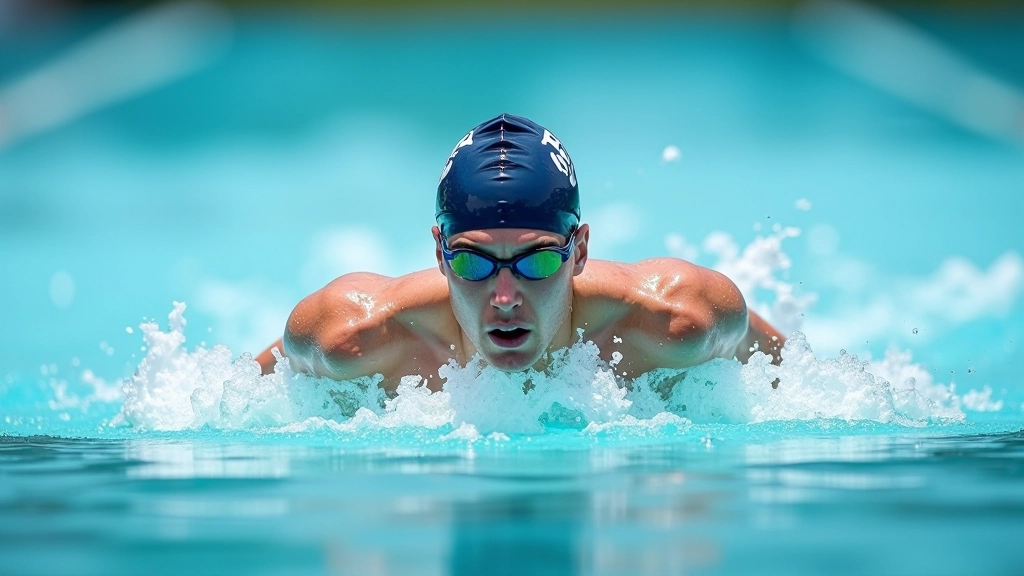
Freestyle (front crawl) is the most practical stroke for distance in open water. It’s efficient, it lets you see where you’re going if you sight correctly, and it’s easier to control when waves hit you. Here’s what matters: keep your body horizontal and relaxed. Tension kills efficiency, especially in cold water where your muscles want to seize up. Your head position determines everything — look forward slightly, not straight up, which breaks your hips and creates drag. Sight every 4-6 strokes to stay on course, but don’t make it a big head lift. A quick glance is enough.
Breaststroke works well too, especially if you’re starting in open water. You stay more upright, which lets you sight easier, and you can cover decent distance without exhausting yourself. The rhythm is calming, which matters when you’re in a big lake. But don’t rush the stroke — an efficient, unhurried breaststroke beats a frantic one every time.
This article provides educational information about swimming practices at Máchovo jezero. It’s not a substitute for professional instruction or professional lifeguard supervision. Always swim with a qualified buddy, follow local regulations and lifeguard guidance, and assess water conditions carefully. If you’re new to open water swimming, consider taking a course from a certified instructor before attempting to swim in a lake. Individual circumstances vary — what works for one swimmer might not work for another. Your safety is your responsibility.
You can’t just walk into Máchovo jezero and swim like you do in a pool. Your body needs preparation, and so does your mind. Cold water immersion is real. The first time you enter cold water, your breathing becomes shallow and fast. Your heart rate spikes. If you’re not expecting this, it can feel like panic. It’s not — it’s a physiological response. But knowing it’s coming means you can manage it.
Start with acclimatization. Wade into the water gradually. Let your body adjust to the temperature over 2-3 minutes. Your breathing will settle. Your heart rate will normalize. Then you’re ready to swim. Don’t rush this part. It’s not weakness — it’s smart preparation. Athletes in cold water competitions do this every single time.
Warm up on land before you enter the water. Swim some drills, stretch your shoulders, get your heart rate up slightly. A 5-minute warm-up reduces muscle tightness and improves circulation. Bring a dry towel, a change of clothes, and something warm to drink after you’re done. Recovery matters as much as the swim itself. You’ll lose body heat quickly, especially if it’s windy.
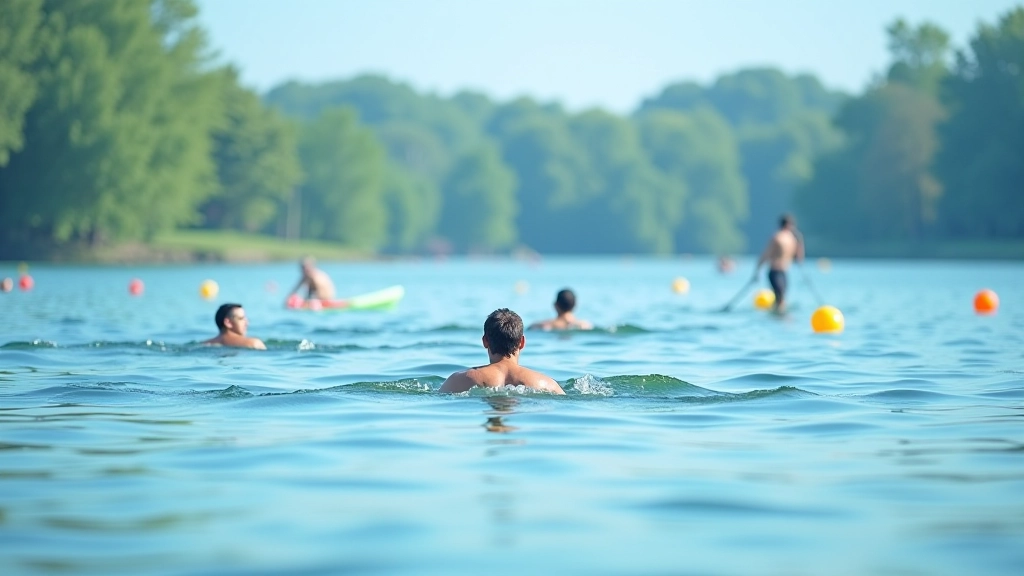
You don’t become an open water swimmer overnight. It’s a progression. Start with short distances in shallow areas where you can touch bottom. Get comfortable with sighting. Practice turning around without panicking. Build confidence in small steps.
Distance matters less than consistency. Swimming 200 meters three times a week builds more competence than one ambitious 1000-meter attempt. Your muscles adapt, your breathing becomes easier, and you develop real confidence. After about 4-6 weeks of regular practice, you’ll notice a massive difference in how the water feels. It stops being intimidating and starts being familiar.
Learn to tread water effectively. You’ll need it. Treading water lets you rest mid-swim without stopping, lets you signal for help if needed, and gives you time to catch your breath if you’re tired. Practice in shallow water first. It’s a skill, like any other, and it’s worth getting right. Navigation is important too. Pick landmarks on shore — a tree, a building, a rock formation — and use them to stay on course. You’ll drift without realizing it, and landmarks keep you swimming where you intended to go.
Swimming at Máchovo jezero isn’t about being fearless. It’s about being smart, prepared, and respectful of the water. The lake’s beautiful and accessible, and thousands of swimmers enjoy it safely every year. You can too, if you follow basic safety practices, understand how your body responds to open water, and build your skills gradually.
Start this season. Find a buddy who’s interested in swimming there. Check conditions. Wade in slowly. Swim a short distance. See how it feels. You’ll discover that open water swimming is different from pools — it’s more rewarding, more challenging, and more connected to nature. That’s why people keep coming back to Máchovo. Once you’ve swum in that clear water with the sky above and nothing but your own strength carrying you forward, pool swimming feels a bit boring.
Come prepared. Stay safe. Enjoy every stroke.