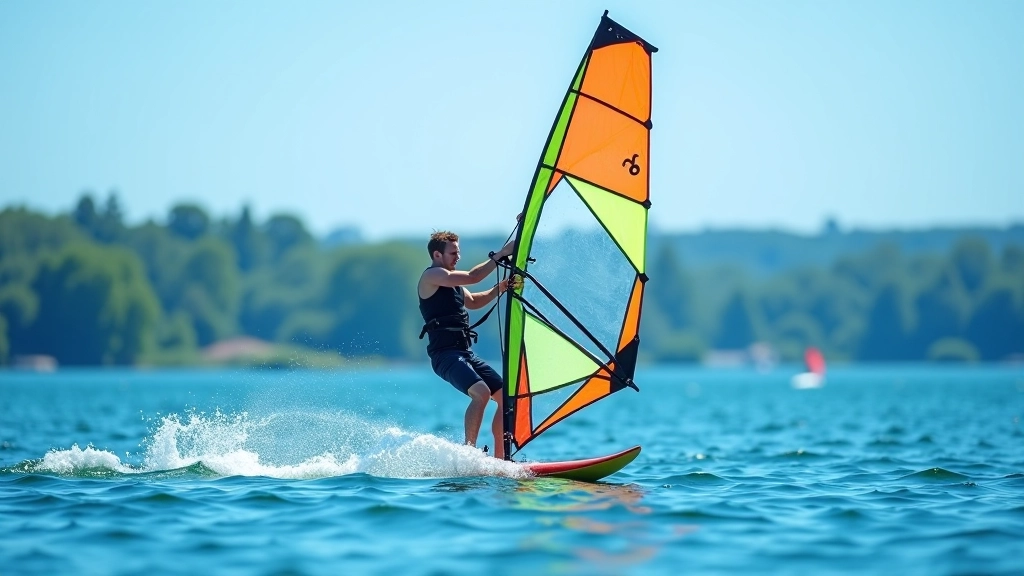
Getting Started with Windsurfing at Lipno
Learn the basics of windsurfing, board control, and wind reading. Covers equipment setup and first-time techniques.
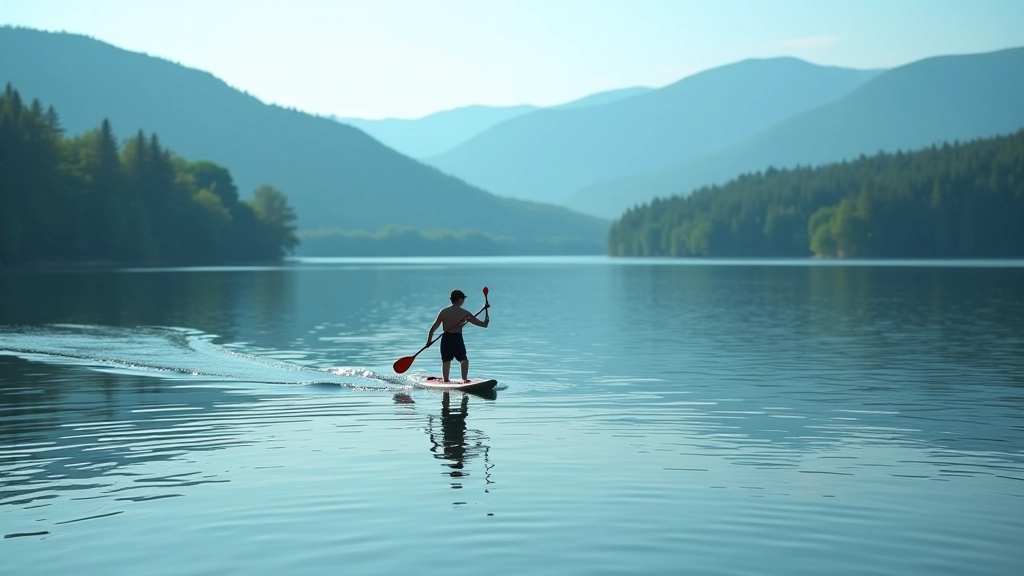
Master the essential techniques and build confidence on the water
Paddleboarding at Orlík Reservoir is one of the most accessible water sports you can learn. Whether you’re looking for a peaceful way to explore the water or building toward more advanced skills, the fundamentals are straightforward to grasp. We’ve helped hundreds of people get comfortable on a board — most within their first few sessions.
The key isn’t rushing into advanced techniques. It’s building a solid foundation with proper stance, balance, and paddle technique. You’ll be surprised how quickly your body adapts once you understand what’s actually happening on the board.
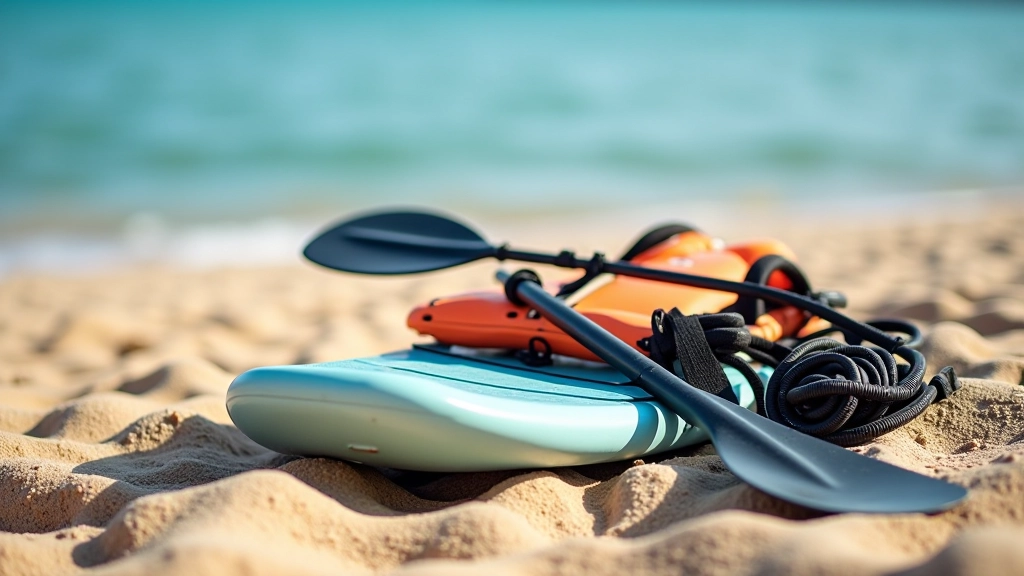
Before you even touch the water, understanding your equipment matters. Most beginner boards at Orlík are around 10 to 11 feet long and about 32 inches wide — that width is what keeps you stable. Don’t worry if the board feels wobbly on dry land. Water behaves completely differently.
Always wear your leash. It’s attached to your ankle and keeps the board from drifting away if you fall. Check that your paddle is roughly your height plus 8 inches. Too short and you’ll exhaust your arms. Too long and you’ll waste energy reaching down.
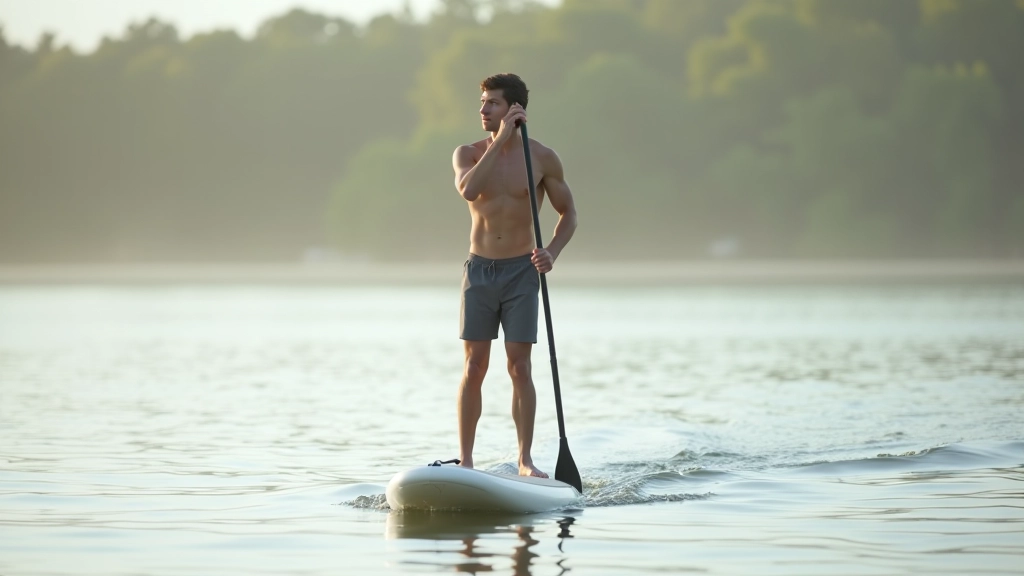
Your stance determines everything — balance, power, and comfort. When you’re standing, your feet should be hip-width apart (about 12 inches), positioned roughly in the middle of the board. Keep your knees slightly bent. This isn’t standing like you’re waiting in line at a shop. You’re ready to adjust.
Your weight distribution matters more than you’d think. Too far forward and the nose dips. Too far back and you’ll drag. Most people find their sweet spot within 10 minutes on the water. The board will actually tell you where it wants you — you just have to listen.
Start in the kneeling position for your first session. Honestly, kneeling gives you more stability and lets you focus on paddle technique without constantly fighting the board. Once you’re comfortable, transitioning to standing feels natural.
This guide is intended for educational purposes only. Water conditions, weather, and personal fitness levels vary significantly. Always follow local regulations, wear appropriate safety equipment, and consider taking lessons from certified instructors before paddling on open water. The techniques described here should be learned in person with qualified supervision, especially for beginners.
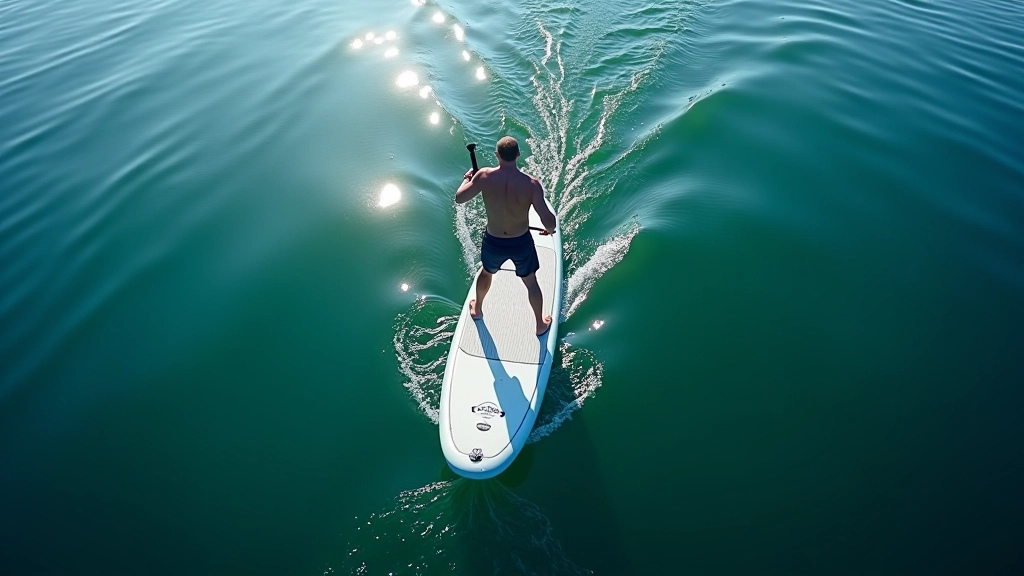
The paddle motion isn’t what most beginners think. You’re not just moving your arms — you’re rotating your core. Grip the paddle with your hands about shoulder-width apart. One hand on top, one hand lower on the shaft.
When you stroke, rotate your shoulders toward the paddle side. Your core does the work, not your arms. This is why paddleboarders often feel it in their abs and obliques before they feel it in their shoulders. Pull the paddle down alongside the board, not across your body. A stroke that’s too wide wastes energy and pulls you off course.
You’ll notice after 15-20 strokes on each side, your rhythm stabilizes. Your body finds the cadence that matches the board’s movement. That’s when paddleboarding stops feeling exhausting and starts feeling meditative.
Your board keeps turning left? You’re probably paddling harder on one side. Match the stroke strength equally. If the board feels unstable, check your stance — most people stand too far forward when they’re nervous. Moving back even 6 inches makes a huge difference.
Falling happens. Don’t fear it. You’re wearing a leash, you’re in a protected area, and you’ll pop right back up. The board floats. You float. There’s nothing dangerous about falling when you’ve got proper equipment and you’re in the right conditions.
Sore wrists after paddling? Your grip’s too tight. Relax your hands. You’re not strangling the paddle. Shoulder fatigue usually means your technique’s pulling rather than pushing. Focus on that core rotation we mentioned.
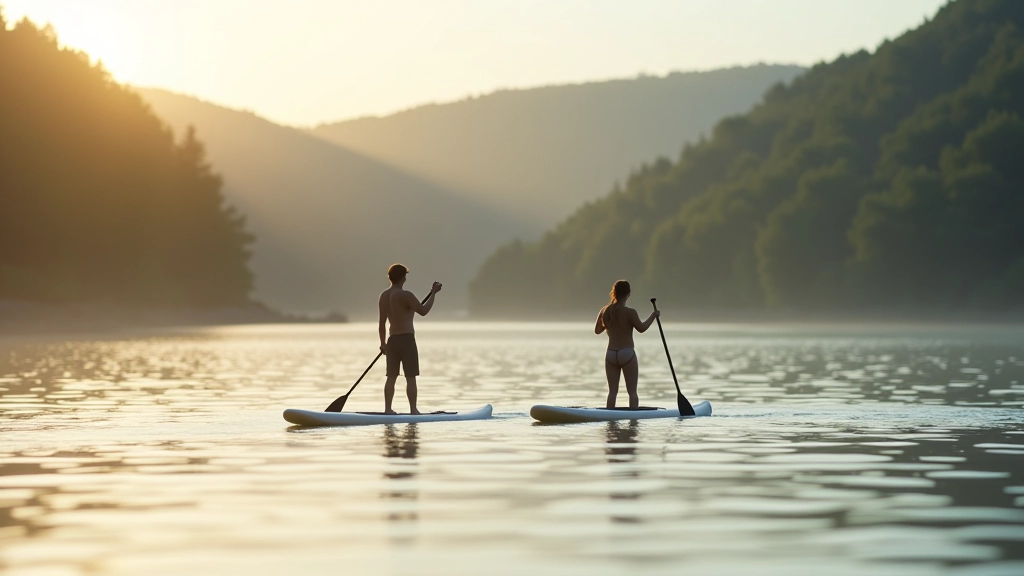
Most people feel genuinely comfortable on a board within 3-4 sessions. You’ll go from shaky and uncertain to actually enjoying the experience. By week two, you’re exploring different areas of the reservoir and thinking about what’s next.
The fundamentals we’ve covered — setup, stance, paddling technique — those form your foundation. Everything else builds from there. Once you’ve got these down, you can explore fitness paddling, longer distance trips, or just peaceful mornings on the water.
Sessions to Feel Comfortable
Until You’re Genuinely Confident
Ideal Session Length for Beginners