Kayaking Across Czech Reservoirs: Routes and Tips
Explore the most beautiful paddling routes across Czech Republic’s pristine reservoirs. Learn techniques, safety tips, and discover hidden gems that’ll make your next kayaking adventure unforgettable.
Getting Started
Why Czech Reservoirs Are Perfect for Kayaking
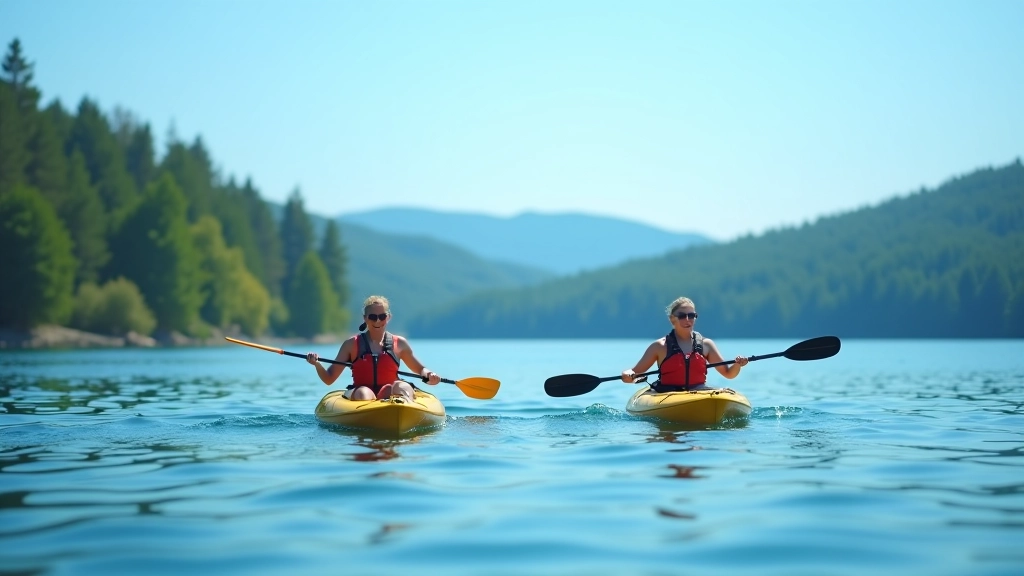
Czech Republic isn’t just famous for beer and castles — it’s got some incredible water playgrounds. The country’s got over a dozen major reservoirs, each with its own personality. You’ll find everything from calm, protected bays perfect for beginners to challenging routes through narrow channels and around rocky islands.
What makes these reservoirs special? They’re surrounded by forests and rolling hills, so you’re paddling through some genuinely beautiful landscapes. The water’s usually clean, access points are well-maintained, and the communities around each reservoir are welcoming to paddlers. Plus, it’s not overcrowded like some European paddling destinations. You can actually find peace and quiet out there.
The Big Three: Must-Paddle Routes
If you’re planning your first kayaking trip in Czech Republic, you’ll want to know about the three most popular reservoirs. These aren’t just famous because of the tourism — they’re genuinely excellent places to paddle.
Lipno Lake is massive and diverse. The southern sections are protected and ideal for beginners, while the northern reaches offer longer expeditions if you’re comfortable with open water. It’s got proper facilities, rental options, and a whole community of paddlers. Most people do day trips here, but you can easily spend a week exploring different bays.
Vltava Cascade — actually several connected reservoirs — gives you variety. You can paddle calm sections, navigate between locks, and experience different water conditions all in one trip. It’s technical enough to keep intermediate paddlers interested, but sections are accessible for newer kayakers too.
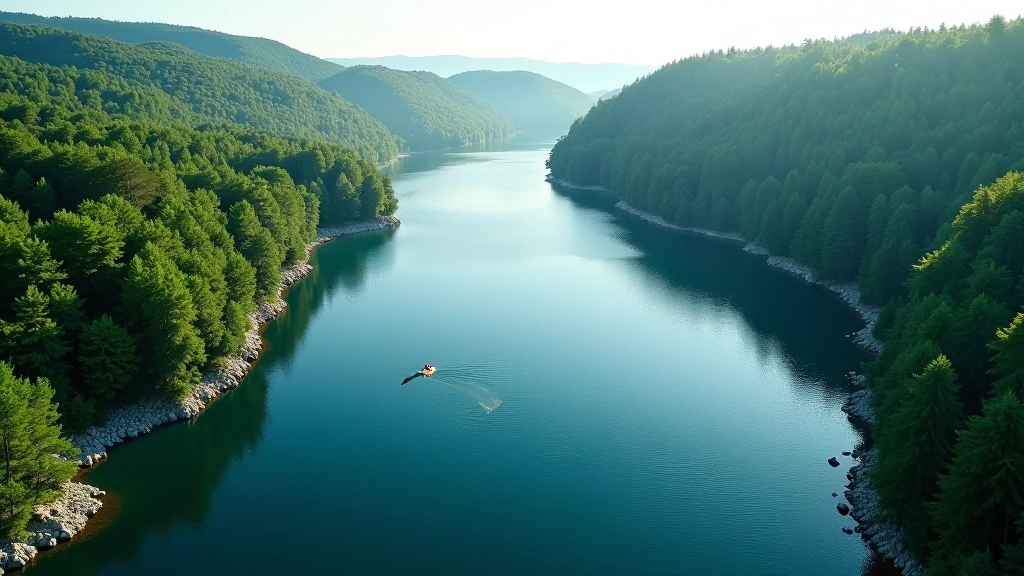
Orlík Reservoir is the real adventure destination. It’s narrower than Lipno, surrounded by steep forested banks, and has incredible scenery. Wind can pick up quickly here, so you’ll want experience reading water conditions. But if you know what you’re doing, it’s worth the extra effort.
Important Safety Notice
This article is educational information about kayaking in Czech Republic. Water conditions vary seasonally and daily. Always check current weather, water levels, and local regulations before paddling. Wear a properly-fitted personal flotation device at all times. If you’re new to kayaking, start with guided tours or paddling with experienced friends. Water conditions, access points, and facilities change — contact local authorities or kayak clubs for current information before your trip.
Essential Techniques You’ll Actually Use
Here’s what separates people who paddle versus people who kayak well. It’s not complicated, but it matters.
Forward stroke: Most beginners do this wrong and tire themselves out. The power comes from your core and legs, not your arms. You’re rotating your torso, not just pulling with your shoulders. Practice the catch (where your blade enters water), drive phase, and exit. Once you get this right, you’ll feel the difference immediately. Your arms should be relatively straight — bent elbows mean you’re working too hard.
Bracing: This keeps you upright when water gets choppy. Low brace for gentle support, high brace for aggressive recovery. You’ll use this constantly on reservoirs when wind picks up. It’s the single best thing you can practice that’ll improve your confidence.
Turning: Sweep strokes are your friends. A forward sweep turns you without losing momentum. Practice these on calm water before you need them. They’re simple but require repetition to feel natural.
The real secret? Spend time practicing these on protected water. An hour on calm conditions is worth more than five hours fighting wind. Your muscles need to build the muscle memory.
Planning Your Route: What Actually Works
Route planning isn’t about finding the longest paddle. It’s about matching conditions to your skill level and having an exit strategy.
Check the Forecast
Not just the general weather — wind direction and speed matter more than anything. Morning paddling usually means calmer water. Afternoon winds can turn flat reservoirs into rough seas quickly.
Know Your Exit Points
Before you launch, identify where you can get out safely. This isn’t optional. Private land, difficult shorelines, and locked facilities mean you can’t just pull up anywhere. Plan a route where you’ve got options.
Tell Someone Your Plan
Expected launch time, estimated return time, and where you’re paddling. This isn’t being paranoid — it’s basic safety. If something goes wrong, rescue teams need to know where to look.
Gear That Makes a Real Difference
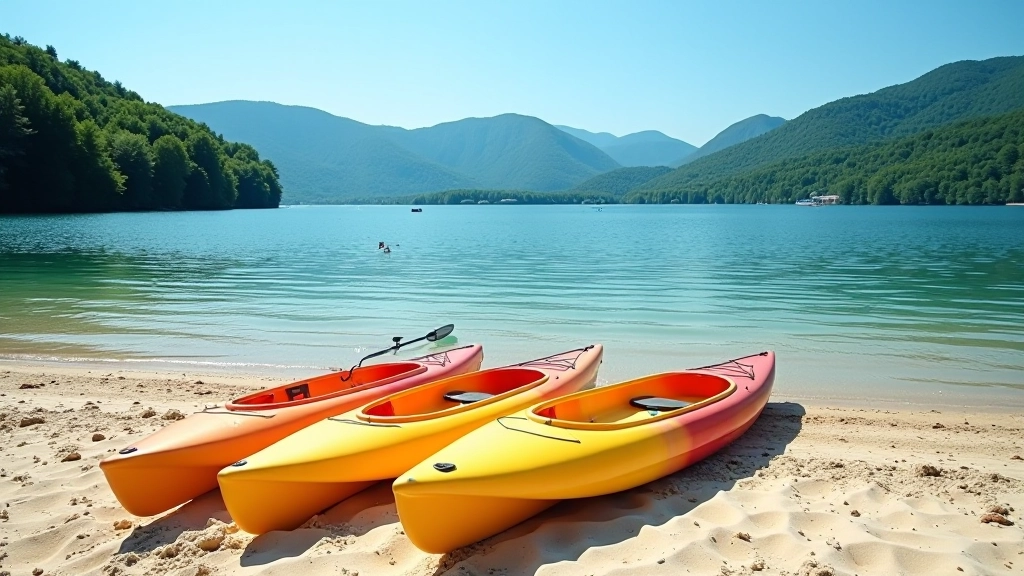
You don’t need expensive equipment, but some things are genuinely worth the investment.
Personal Flotation Device
Non-negotiable. Wear it every time. A good PFD doesn’t restrict movement and you’ll barely notice it after 10 minutes. Cheap ones are uncomfortable and you won’t wear them consistently. Spend the money.
Quality Paddle
This is where your effort goes. A good paddle reduces fatigue dramatically. You’ll use it hundreds of times. Lighter weight and proper blade design matter more than brand names.
Spray Skirt
Keeps water out of the cockpit. Essential for any serious paddling. In Czech reservoirs where wind can build quickly, you’ll appreciate staying dry. Neoprene ones are warmer in spring and fall.
Dry Bag or Waterproof Case
For phone, keys, and essentials. Tipping over happens. Don’t learn this lesson with your phone. A good dry bag keeps everything secure and accessible.
Your Czech Paddling Adventure Awaits
Czech Republic’s reservoirs offer something special. You’re paddling through genuine landscapes, not manicured resort areas. The water’s clean, the people are friendly, and you’ve got options ranging from easy half-day trips to serious multi-day expeditions.
Start with a calm morning on Lipno, build your skills through regular practice, and work your way toward the more challenging sections of Vltava or Orlík. There’s no rush. The best paddlers aren’t the ones who tackled the hardest routes first — they’re the ones who kept paddling consistently and learned from each trip.
The techniques in this guide are straightforward. The routes are well-established. The real magic happens when you get out on the water, feel the paddle in your hands, and realize you’re paddling through one of Central Europe’s most beautiful regions. That’s when kayaking stops being a sport and becomes something you actually want to do regularly.